
คณะกรรมการสำนักงานพัฒนารัฐบาลดิจิทัล


12 February 2569
9665
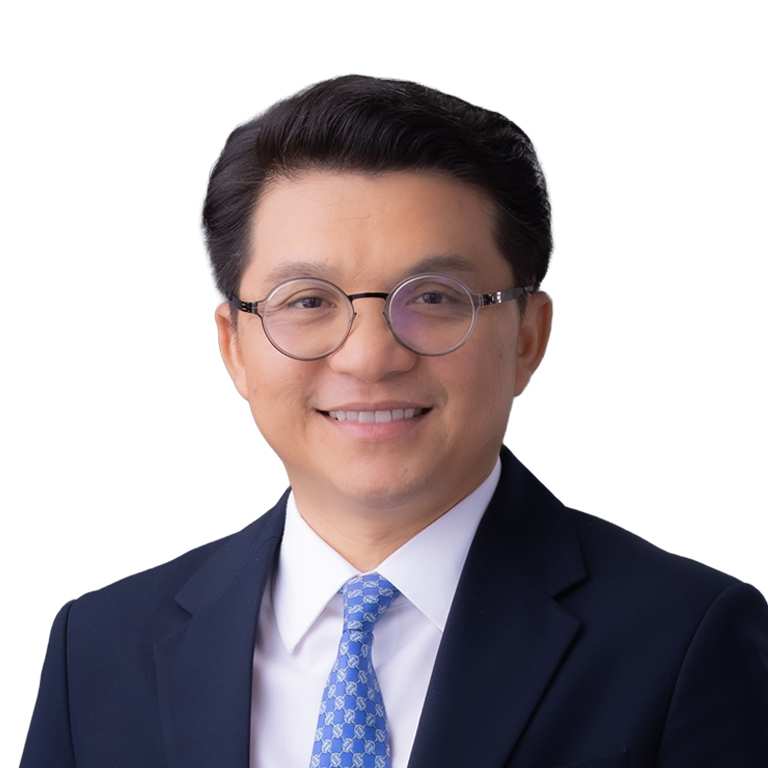
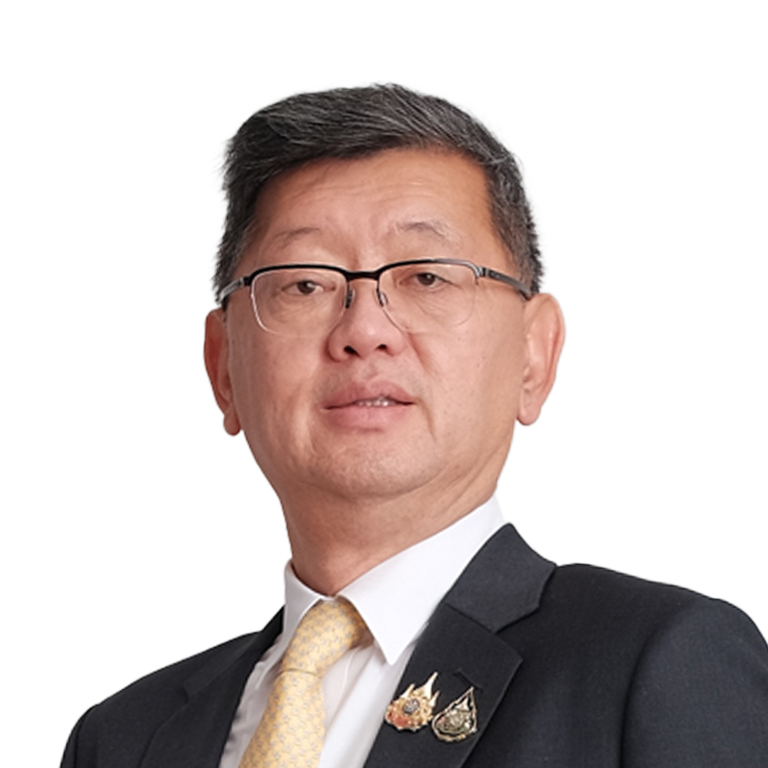
นายจิรพล สังข์โพธิ์

นายจิรพล สังข์โพธิ์

ประธานกรรมการ
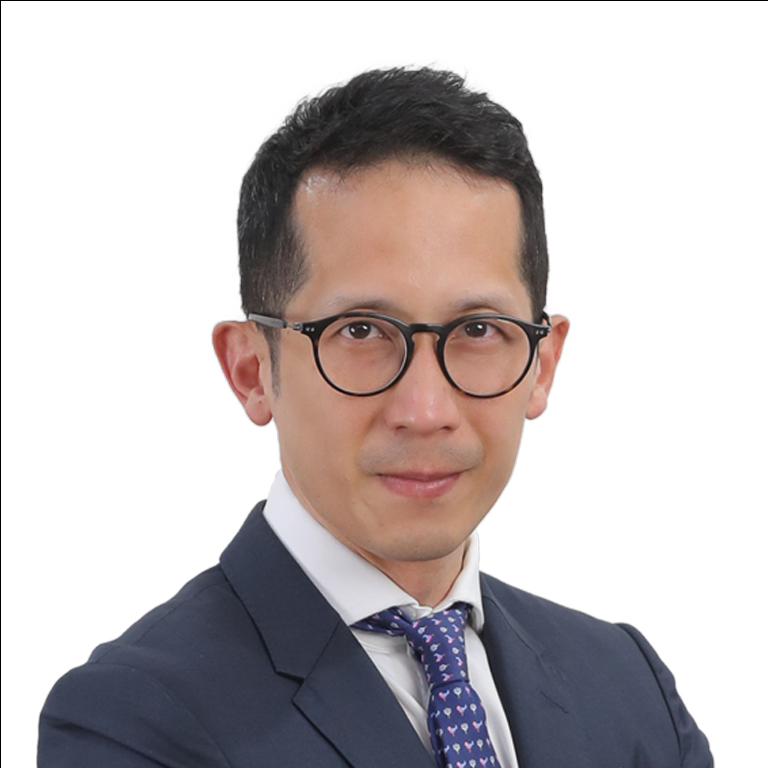
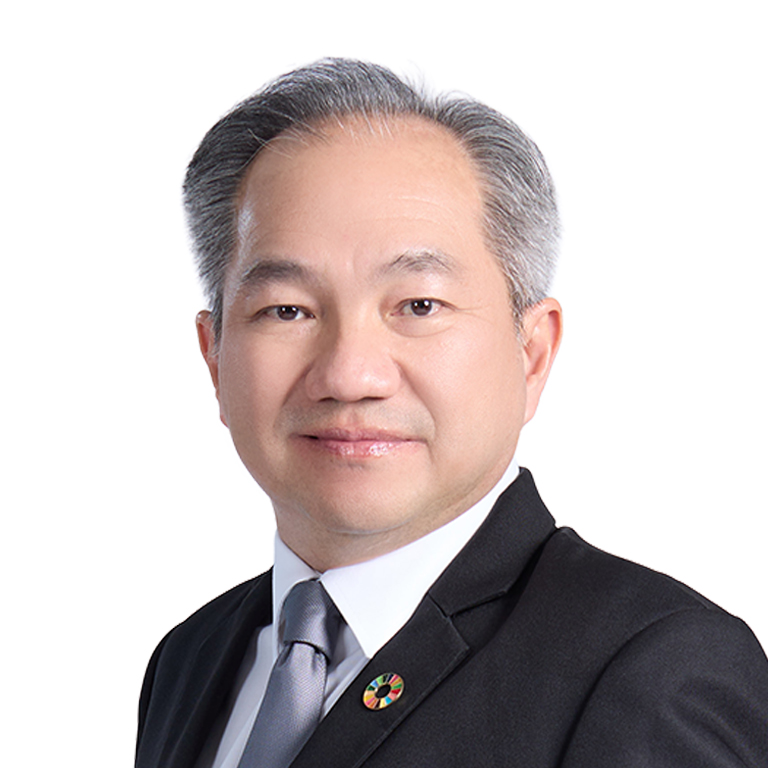
นายธนา โพธิกำจร

นายธนา โพธิกำจร

กรรมการผู้ทรงคุณวุฒิ
(ด้านเทคโนโลยีดิจิทัล)
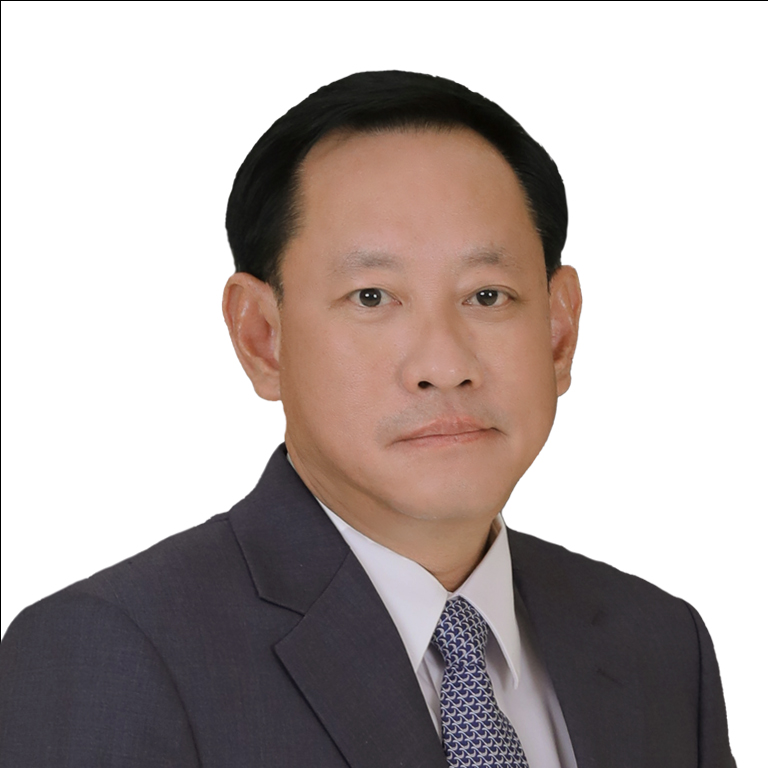
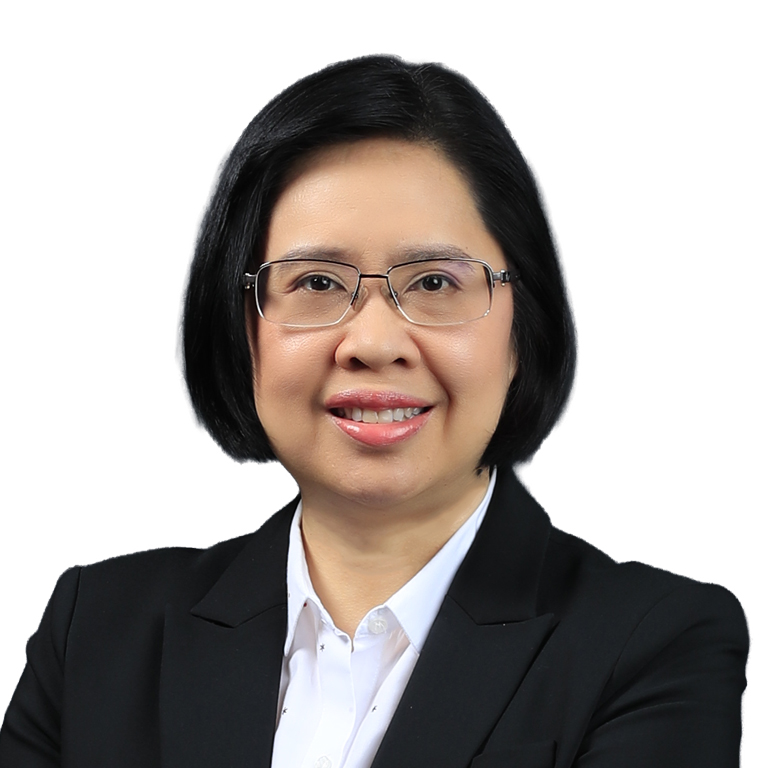
นายอภิรัต ศิรินาวิน

นายอภิรัต ศิรินาวิน

กรรมการผู้ทรงคุณวุฒิ
(ด้านเทคโนโลยีดิจิทัล)
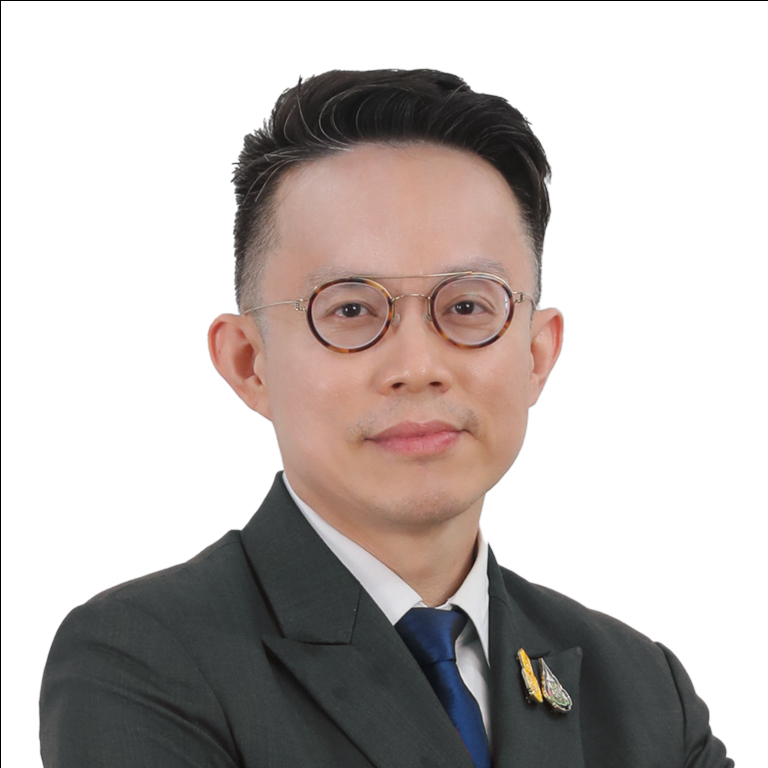
นายธีรศานต์ สหัสสพาศน์

นายธีรศานต์ สหัสสพาศน์

กรรมการผู้ทรงคุณวุฒิ
(ด้านการบริหารจัดการและทรัพยากรบุคคล)
นายฉัตรชัย ธนาฤดี

นายฉัตรชัย ธนาฤดี

กรรมการผู้ทรงคุณวุฒิ
(ด้านการเงิน การบัญชีและงบประมาณ การตรวจสอบประเมินผล และการบริหารความเสี่ยง)
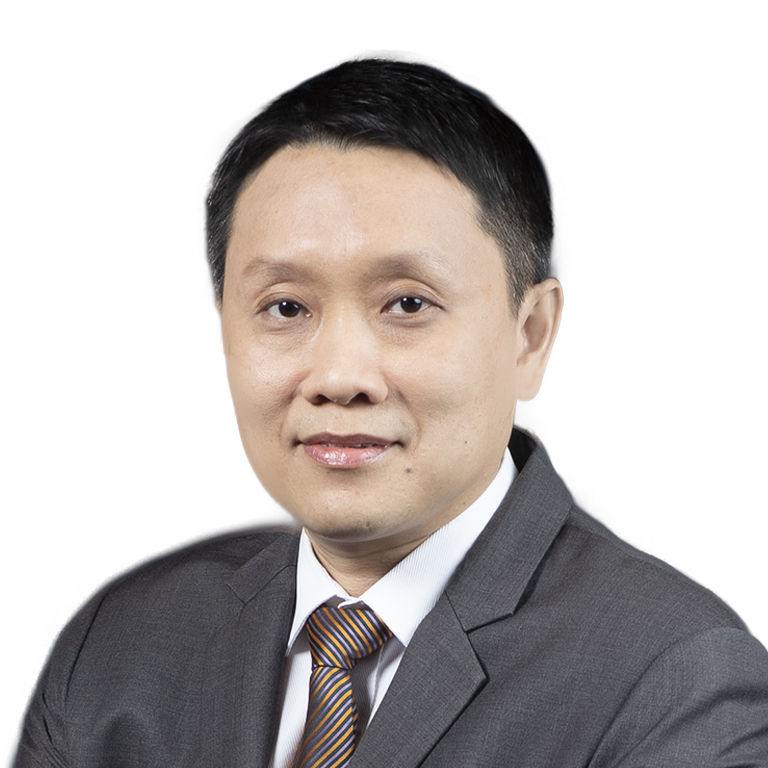
thumbnail__ท่านปิยบุตร

นายปิยะบุตร บุญอร่ามเรือง

กรรมการผู้ทรงคุณวุฒิ
(ด้านกฎหมายเทคโนโลยีดิจิทัล)
นายพชร อนันตศิลป์

นายพชร อนันตศิลป์

กรรมการโดยตำแหน่ง
ปลัดกระทรวงดิจิทัลเพื่อเศรษฐกิจและสังคม
(). . .
Machemer, P. L., & Crawford, P. (2007). Student perceptions of active learning in a large cross-disciplinary classroom. Active Learning in Higher Education, 8(1), 9-30
Mager, R. F. (1962). Preparing instructional objectives. Fearon Publishers.
Martilla, J. A., & James, J. C. (1977). Importance-performance analysis. Journal of Marketing, 41(1), 77-79.
Menéndez-Alvarez-Hevia, D. (2022). Contributions of futures studies to education: A systematic review. Comunicar, 73, 9-20. https://doi.org/10.3916/C73-2022-01
Merchant, Z., Goetz, E. T., Cifuentes, L., Keeney-Kennicutt, W., & Davis, T. J. (2014). Effectiveness of virtual reality-based instruction on students' learning outcomes in K-12 and higher education: A meta-analysis. Computers & Education, 70, 29-40.
Merton, R. K., Fiske, M., & Kendall, P. L. (1956). The focused interview: A manual of problems and procedures. Free Press.
Meuser, M., & Nagel, U. (2009). The expert interview and changes in knowledge production. In A. Bogner, B. Littig, & W. Menz (Eds.), Interviewing experts (pp. 17-42). Palgrave Macmillan.
Michael, J. (2006). Where's the evidence that active learning works? Advances in Physiology Education, 30(4), 159-167.
Miles, M. B., Huberman, A. M., & Saldaña, J. (2014). Qualitative data analysis: A methods sourcebook (3rd ed.). Sage Publications.
Mishra, P., & Koehler, M.J. (2006). Technological pedagogical content knowledge: A framework for teacher knowledge. Teacher College Record, 108(6), 1017-1054.
Mitchell, R. K., Agle, B. R., & Wood, D. J. (1997). Toward a theory of stakeholder identification and salience: Defining the principle of who and what really counts. Academy of Management Review, 22(4), 853-886.
Morgan, D. L. (1997). Focus groups as qualitative research (2nd ed.). Sage Publications.
Morgan, D. L., & Krueger, R. A. (1993). When to use focus groups and why. In D. L. Morgan (Ed.), Successful focus groups: Advancing the state of the art (pp. 3-19). Sage Publications.
Morrison, J. L. (2010). Environmental scanning. In A primer for new institutional researchers (pp. 86-99). Association for Institutional Research.
Moss, P. A. (1994). Can there be validity without reliability? Educational Researcher, 23(2), 5-12.
Mueller, J. (2005). The authentic assessment primer. North Central Regional Educational Laboratory.
Nash, R. J. (1997). Answering the "virtuecrats": A moral conversation on character education. New York: Teachers College Press.
Newmann, F. M., & Wehlage, G. G. (1993). Five standards of authentic instruction. Educational Leadership, 50(7), 8-12.
Nicol, D. J., & Macfarlane-Dick, D. (2006). Formative assessment and self-regulated learning: A model and seven principles of good feedback practice. Studies in Higher Education, 31(2), 199-218.
Noddings, N. (2002). Educating moral people: A caring alternative to character education. New York: Teachers College Press.
North, D. C. (1990). Institutions, institutional change and economic performance. Cambridge University Press.
Nunnally, J. C., & Bernstein, I. H. (1994). Psychometric theory (3rd ed.). McGraw-Hill.
Osgood, C. E., Suci, G. J., & Tannenbaum, P. H. (1957). The measurement of meaning. University of Illinois Press.
Paivio, A. (1986). Mental representations: A dual coding approach. Oxford University Press.
Partnership for 21st Century Skills. (2011). Framework for 21st century learning. Partnership for 21st Century Skills.
Patton, M. Q. (2015). Qualitative research and evaluation methods: Integrating theory and practice (4th ed.). Sage Publications.
Paulson, F. L., Paulson, P. R., & Meyer, C. A. (1991). What makes a portfolio a portfolio? Educational Leadership, 48(5), 60-63.
Pearl, J. (2009). Causality: Models, reasoning, and inference (2nd ed.). Cambridge University Press.
Perrow, C. (1984). Normal accidents: Living with high-risk technologies. Basic Books.
Peterson, C., & Seligman, M. E. P. (2004). Character strengths and virtues: A handbook and classification. Oxford University Press.
Piaget, J. (1932). The Moral Judgment of the Child. The Free Press.
Podsakoff, P. M., MacKenzie, S. B., Lee, J. Y., & Podsakoff, N. P. (2003). Common method biases in behavioral research: A critical review of the literature and recommended remedies. Journal of Applied Psychology, 88(5), 879-903.
Poland, B. D. (1995). Transcription quality as an aspect of rigor in qualitative research. Qualitative Inquiry, 1(3), 290-310.
Popper, R. (2008). “How are foresight methods selected?”. Foresight, 10(6), 62-89.
Porter, M. E. (1985). Competitive advantage: Creating and sustaining superior performance. Free Press.
Power, F. C., Higgins, A., & Kohlberg, L. (1989). Lawrence Kohlberg's approach to moral education. Columbia University Press.
Prensky, M. (2001). Digital game-based learning. McGraw-Hill.
Prince, M. (2004). Does active learning work? A review of the research. Journal of Engineering Education, 93(3), 223-231.
Qadhi, S., Hendawi, M., Mohammad, E. G., Ghazi, I., Al-Dosari, N., & Du, X. (2020). The impact of a teacher preparation programs on professional teaching competencies—Female novice teachers' perspectives. International Journal of Learning, Teaching and Educational Research, 19(1), 118-135. https://doi.org/10.26803/ijlter.19.1.7
Ramaprasad, A. (1983). On the definition of feedback. Behavioral Science, 28(1), 4-13.
Rasch, G. (1960). Probabilistic models for some intelligence and attainment tests. Danish Institute for Educational Research.
Raths, L. E., Harmin, M., & Simon, S. B. (1996). Values and teaching. Columbus: Merrill.
Raths, L. E., Harmin, M., & Simon, S. B. (1966). Values and teaching: Working with values in the classroom. Charles E. Merrill Publishing company.
Reid, D. J., & Reid, F. J. (2005). Online focus groups: An in-depth comparison of computer-mediated and conventional focus group discussions. International Journal of Market Research, 47(2), 131-162.
Rest, J. R. (1986). Moral development: Advances in research and theory. New York: Praeger.
Rhemer, D. M., Rogers, W., & Southerland, S. A. (2024). Examining the influence of secondary math and science teacher preparation programs on graduates' instructional quality and persistence in teaching. Education Sciences, 14(5), Article 506. https://doi.org/10.3390/educsci14050506
Riera, F., Estrada, D., Guerrero, S. E., Pacheco, E., Guevara, S., & Pinela, R. (2023). Enhancing teacher preparation: A case study on the impact of integrating real-world teaching experience in English higher education programs. Journal of Curriculum and Teaching, 12(6), 197-205. https://doi.org/10.5430/jct.v12n6p197
Ringland, G. (2006). Scenario planning: Managing for the future (2nd ed.). Wiley.
Rogers, C. R. (1961). On becoming a person: A therapist's view of psychotherapy. Houghton Mifflin.
Rubin, H. J., & Rubin, I. S. (2012). Qualitative interviewing: The art of hearing data (3rd ed.). Sage Publications.
Ryan, K., & Bohlin, K. E. (1999). Building character in schools: Practical ways to bring moral instruction to life. Jossey-Bass.
Sadler, D. R. (1989). Formative assessment and the design of instructional systems. Instructional Science, 18(2), 119-144.
Schwartz, P. (1991). The art of the long view: Planning for the future in an uncertain world. New York: Doubleday.
Scriven, M. (1967). The methodology of evaluation. In R. W. Tyler, R. M. Gagne, & M. Scriven (Eds.), Perspectives of curriculum evaluation (pp. 39-83). Rand McNally.
Senge, P. M. (1990). The fifth discipline: The art and practice of the learning organization. New York: Doubleday.
Shavelson, R. J., Baxter, G. P., & Pine, J. (1992). Performance assessments: Political rhetoric and measurement reality. Educational Researcher, 21(4), 22-27.
Shepard, L. A. (2000). The role of assessment in a learning culture. Educational Researcher, 29(7), 4-14.
Sicart, M. (2009). The ethics of computer games. The MIT Press.
Siemens, G. (2005). Connectivism: A learning theory for the digital age. International Journal of Instructional Technology and Distance Learning, 2(1), 3-10.
Simpson, E. J. (1972). The classification of educational objectives in the psychomotor domain. The Psychomotor Domain, 3, 43-56.
Stacey, R. D. (2007). Strategic management and organisational dynamics: The challenge of complexity (5th ed.). Pearson Education.
Sterling, S. (2001). Sustainable education: Re-visioning learning and change. Green Books for the Schumacher Sociaty.
Stewart, D. W., Shamdasani, P. N., & Rook, D. W. (2007). Focus groups: Theory and practice (2nd ed.). Sage Publications.
Stiggins, R. J. (2002). Assessment crisis: The absence of assessment FOR learning. Phi Delta Kappan, 83(10), 758-765.
Superka, D. P., Ahrens, C., Hedstrom, J. E., Ford, L. J., & Johnson, P. L. (1976). Values education sourcebook. Social Science Education Consortium.
Thomas, J. W. (2000). A review of research on project-based learning. Autodesk Foundation.
Topping, K. (1998). Peer assessment between students in colleges and universities. Review of Educational Research, 68(3), 249-276.
Toseland, R. W., & Rivas, R. F. (2017). An introduction to group work practice (8th ed.). Pearson.
Tyler, R. W. (1949). Basic Principles of Curriculum and Instruction. The University of Chicago Press.
UNESCO. (2015). Global citizenship education: Topics and learning objectives. UNESCO.
Van der Kleij, F. M., Feskens, R. C., & Eggen, T. J. (2015). Effects of feedback in a computer-based learning environment on students' learning outcomes: A meta-analysis. Review of Educational Research, 85(4), 475-511.
Van der Heijden, K. (2005). Scenarios: The art of strategic conversation (2nd ed.). Chichester: John Wiley & Sons.
Van Stekelenburg, L., Smerecnik, C., Sanderse, W., & De Ruyter, D. J. (2025). Teachers' ideas about what and how they contribute to the development of students' ethical compasses: An empirical study among teachers of Dutch universities of applied sciences. Journal of Academic Ethics, 23(1), 65-86. https://doi.org/10.1007/s10805-024-09525-8
Von Bertalanffy, L. (1968). General system theory: Foundations, development, applications. New York: George Braziller.
Wack, P. (1985a). Scenarios: Uncharted waters ahead. Harvard Business Review, 63(5), 73-89.
Wack, P. (1985b). Scenarios: Shooting the rapids. Harvard Business Review, 63(6), 139-150.
Wiggins, G., & McTighe, J. (2005). Understanding by design (Expanded 2nd ed.). Association for Supervision and Curriculum Development.
Wiliam, D. (2011). Embedded formative assessment. Solution Tree Press.
Wiliam, D., & Thompson, M. (2007). Integrating assessment with instruction: What will it take to make it work? In C. A. Dwyer (Ed.), The future of assessment: Shaping teaching and learning (pp. 53-82). Lawrence Erlbaum Associates.
Wright, G., & Cairns, G. (2011). Scenario thinking: Practical approaches to the future. Palgrave Macmillan.
Wright, S. (1978). Evolution and the Genetics of Populations. Vol. 4. Variability within and among Natural Populations. University of Chicago Press.
Zwicky, F. (1969). Discovery, invention, research through the morphological approach. Macmillan.

นางสาวอ้อนฟ้า เวชชาชีวะ

กรรมการโดยตำแหน่ง
เลขาธิการคณะกรรมการพัฒนาระบบราชการ
นายกรณินทร์ กาญจโนมัย ปฏิบัติราชการแทนกรรมการโดยตำแหน่ง

นายกรณินทร์ กาญจโนมัย

กรรมการโดยตำแหน่ง
รองผู้อำนวยการสำนักงบประมาณ
ปฎิบัติราชการแทนผู้อำนวยการสำนักงบประมาณ
นายชัย วุฒิวิวัฒน์ชัย

นายชัย วุฒิวิวัฒน์ชัย

กรรมการโดยตำแหน่ง
ผู้อำนวยการศูนย์เทคโนโลยีอิเล็กทรอนิกส์และคอมพิวเตอร์แห่งชาติ
ปฏิบัติการแทนผู้อำนวยการสำนักงานพัฒนาวิทยาศาสตร์และเทคโนโลยีแห่งชาติ
นางไอรดา เหลืองวิไล

นางไอรดา เหลืองวิไล

กรรมการและเลขานุการ
รองผู้อำนวยการสำนักงานพัฒนารัฐบาลดิจิทัล
รักษาการแทนผู้อำนวยการสำนักงานพัฒนารัฐบาลดิจิทัล